Lithium hexafluorophosphate is a crucial electrolyte currently used in lithium - ion secondary batteries. As universally recognized ideal green energy sources, lithium - ion secondary batteries, featuring small volume and large capacitance, have been widely applied. The performance of the electrolyte prepared by mixing lithium hexafluorophosphate with organic carbonate solvents directly affects the charge - discharge capacity, cycle life and safety of lithium - ion secondary batteries. Due to its strong hygroscopicity and extreme tendency to decompose in the air, extremely stringent requirements are imposed on its preparation conditions, as well as on its packaging and storage environments. It decomposes into acid when in contact with water and is corrosive to human tissues, so it must not be touched directly. Moreover, it must be stored in airtight containers, and operations during use must be conducted in a dry atmosphere with a humidity below 10 ppm to prevent decomposition.
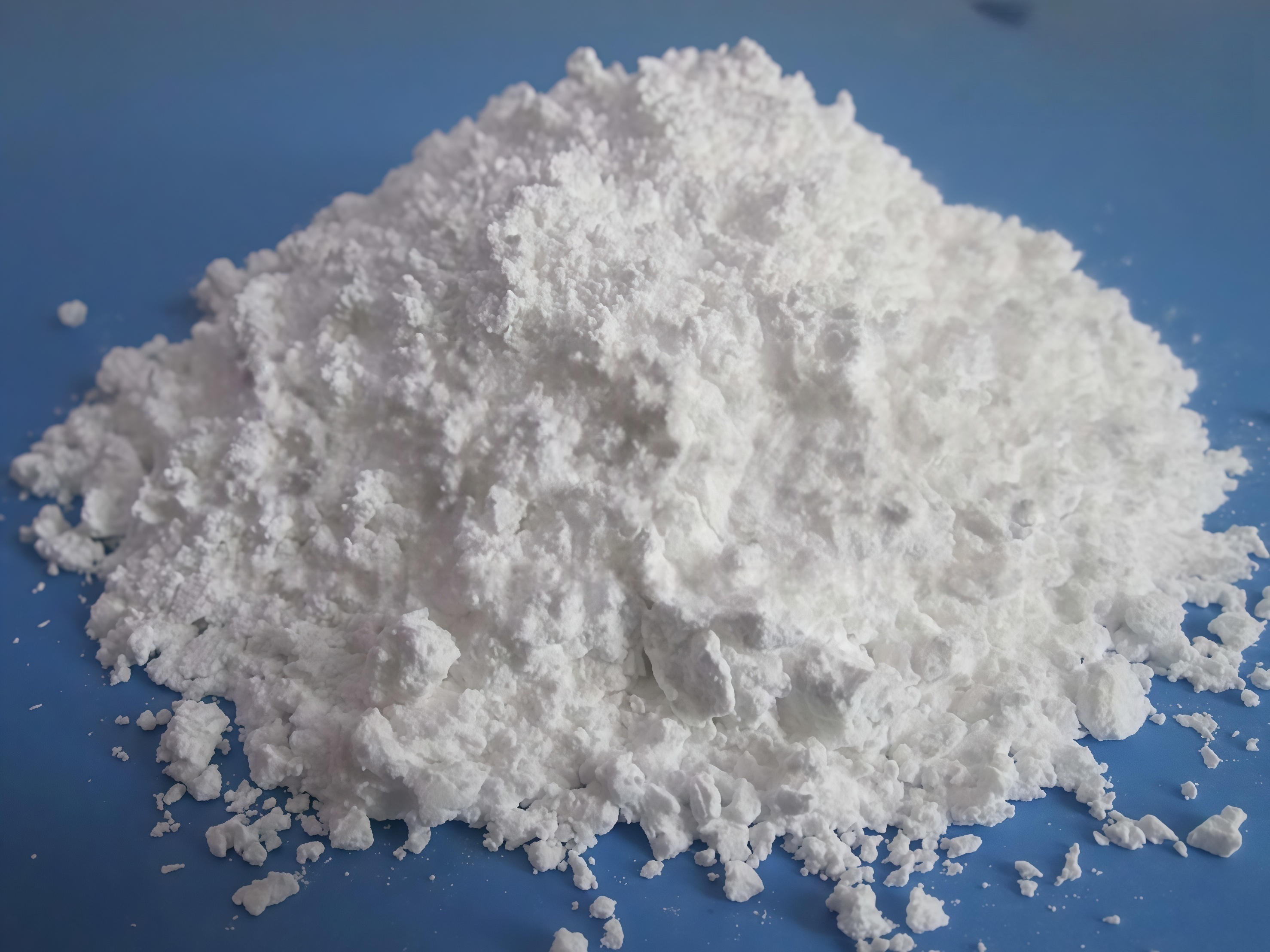
The commonly used purification methods for lithium hexafluorophosphate (LiPF₆) mainly include the thermal vacuum drying method and the dissolution - recrystallization method. The dissolution - recrystallization method involves dissolving LiPF₆ in diethyl ether, dimethyl carbonate, or diethyl carbonate at a specific temperature, removing insoluble substances by centrifugation, then lowering the temperature to allow LiPF₆ to recrystallize from the organic solvent. The LiPF₆ crystals obtained through filtration are vacuum - dried to yield the final product. This purification method is disclosed in Patent CN1884046. However, this method features complex operations and cannot realize continuous production. Moreover, while purifying LiPF₆, the recrystallized product will entrain a certain amount of organic solvent, which impairs the product purity. Additionally, the large - scale use of organic solvents in the purification process leads to increased production costs, making it difficult to apply in the large - scale production of LiPF₆. In addition, Patent CN1462722 reveals a method for removing moisture from LiPF₆ using acid gas. On the one hand, this method fails to remove hydrogen fluoride from the crude LiPF₆ product; on the other hand, it introduces acid gas impurities. Compared with the aforementioned methods, the thermal vacuum drying method, which directly heats and purifies the crude LiPF₆ product under vacuum conditions, is a purification method suitable for the large - scale production of LiPF₆. It can avoid the secondary contamination of LiPF₆ that occurs in the dissolution - recrystallization method. The main challenges of the thermal vacuum drying method lie in how to prevent the decomposition of LiPF₆ during the heating process and ensure that each particle of the crude LiPF₆ product is fully exposed to the vacuum environment. This ensures that the final LiPF₆ product is free from hydrogen fluoride entrainment, thereby reducing the hydrogen fluoride content in the LiPF₆ product to less than 80 ppm.
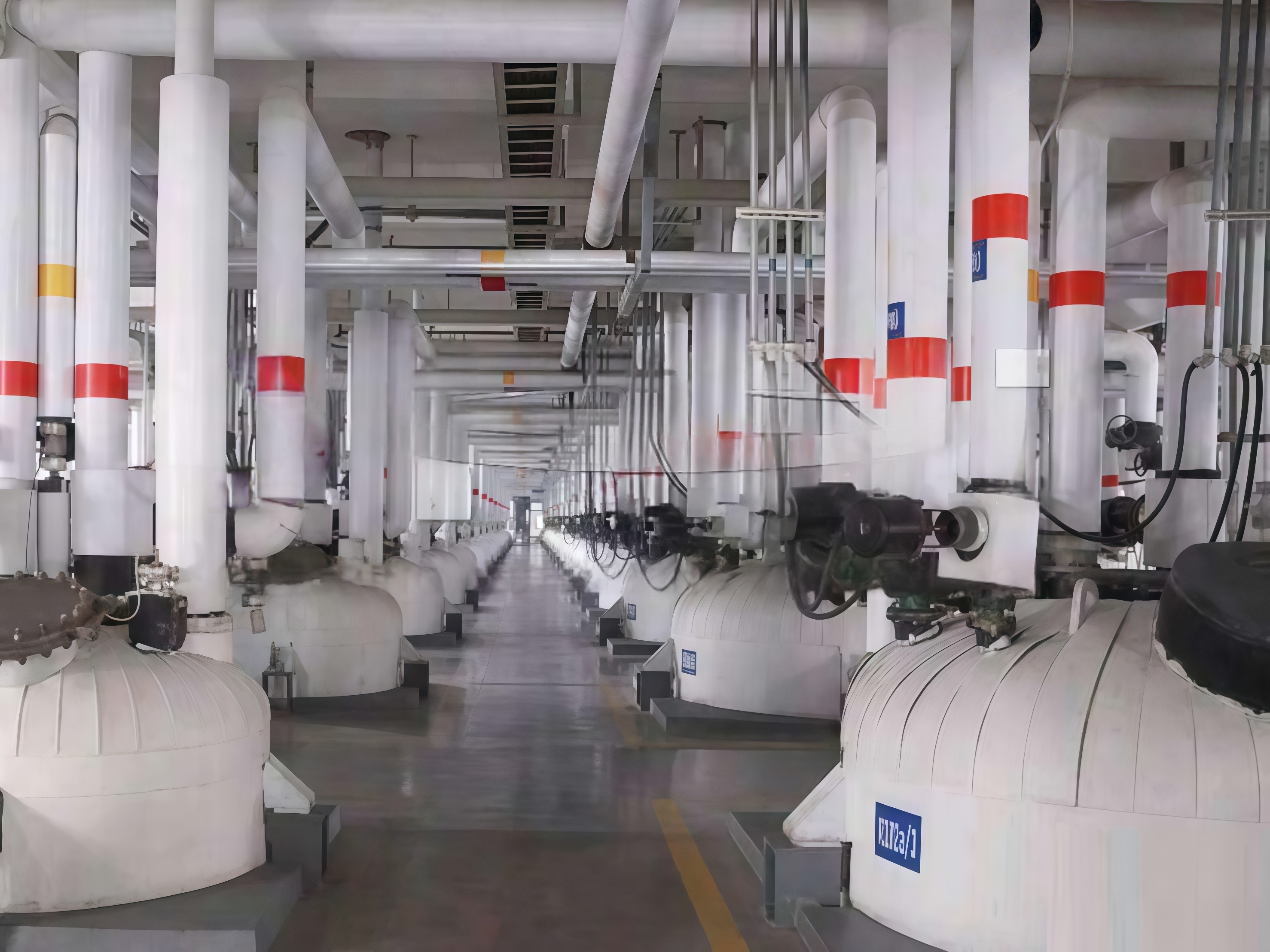
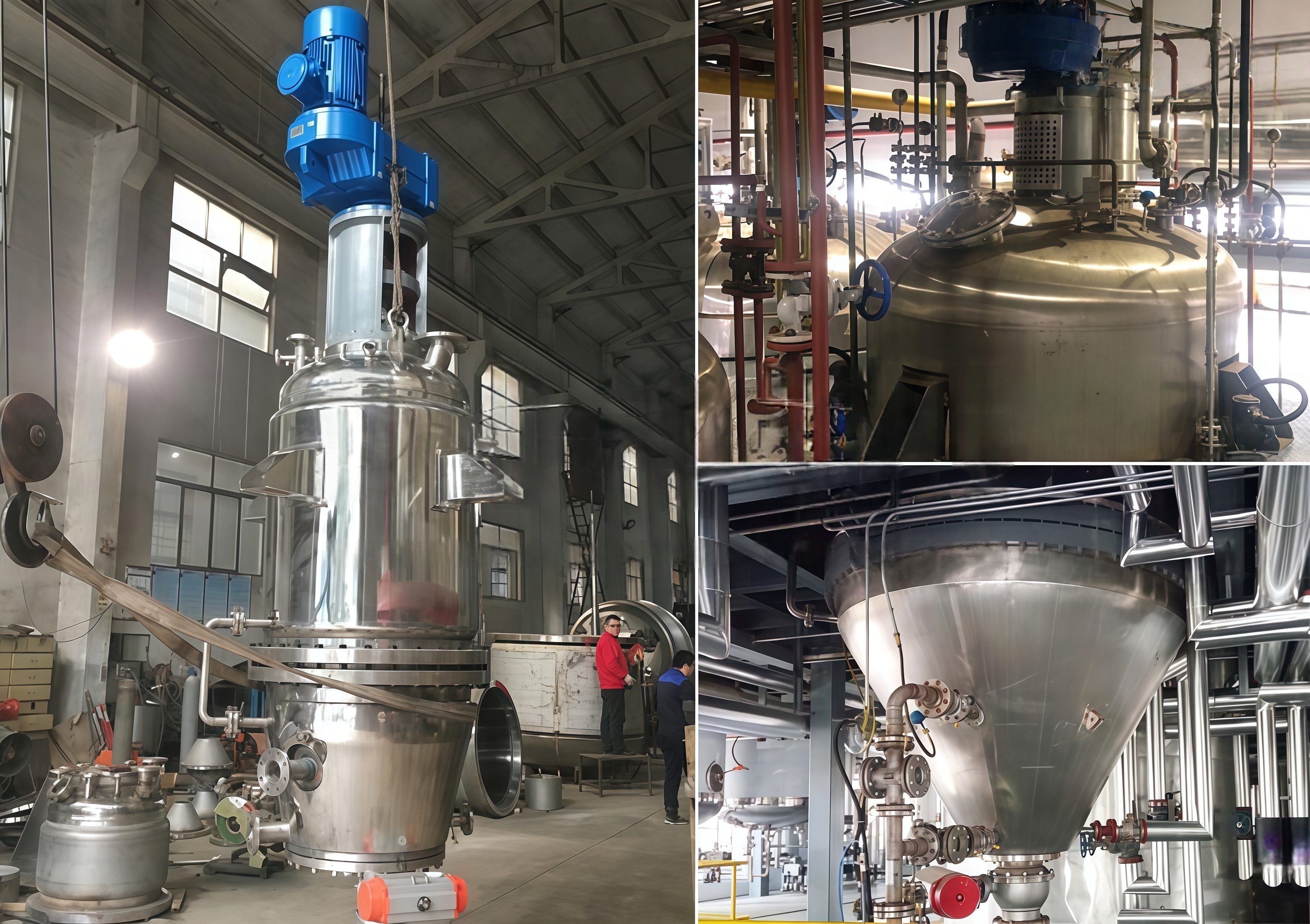
To address the aforementioned technical issues, Wuxi Shuangrui has developed a conical drying system for lithium hexafluorophosphate purification (Patent No.: ZL 202122464595.4). This novel technology pertains to the field of separation and purification of lithium battery electrolytes. It resolves the key problems encountered in removing HF and impurities from crude lithium hexafluorophosphate products using nitrogen pressure filtration and pulse vacuum low-temperature drying methods, and provides a dedicated purification and drying device for lithium hexafluorophosphate with high efficiency, safety and excellent continuous production performance.
Working Principle of the Conical Filter-Wash-Dryer for Lithium Hexafluorophosphate Purification
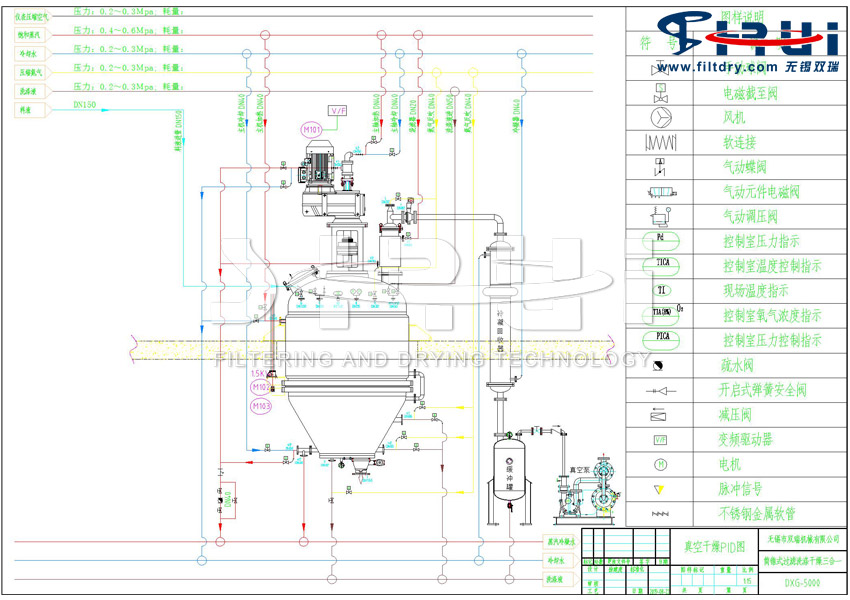
The lithium hexafluorophosphate purification conical filter-wash-dryer features a cylindro-conical structure. Heating jackets are installed on the cylindrical body and lower cone to heat or cool materials. Inside the multi-functional machine, a hollow shaft and a variable-angle, variable-lead hollow spiral stirring device are equipped to stir, lift materials, and push them out during discharge. A relatively complex conical filtering device is arranged in the lower cone, and the bottom of the equipment is fitted with a specially designed dead-corner-free quick-opening discharge device or a dead-corner-free pneumatic discharge ball valve.
In the reaction stage, reaction materials are added from the top. The unique stirring structure ensures uniform stirring of materials inside the machine. Through simultaneous heating or cooling by the cylinder jacket, cone jacket, hollow shaft, and hollow spiral blades, materials undergo sufficient reaction inside the machine. In the filtration stage, the machine can filter and dry materials by pressurization or vacuum suction. Washing liquid is added to enable multiple automatic reslurrying washes inside the machine, and the materials are pressed dry again after meeting the washing requirements. In the drying stage, the cylinder jacket, cone jacket, hollow shaft, and hollow ribbon heat the materials simultaneously while vacuum is drawn from the top, realizing vacuum-sealed low-temperature drying of materials. After drying, automatic sealed discharge is performed.
Technical Improvements of the Conical Filter-Wash-Dryer for Lithium Hexafluorophosphate Purification
(1) Sealed filtration of crystallization mother liquor and lithium hexafluorophosphate crystals enables efficient separation, effectively reducing the content of impurity metal ions.
Conventional thermal drying is widely used, but this method requires a long time to dry crystals and has drawbacks such as incomplete drying. HF in the product cannot be removed effectively and quickly, which further affects product quality. The purity of lithium hexafluorophosphate products obtained through filtration and purification exceeds 99.9%. Additionally, this process features high safety, recyclable mother liquor, and low costs.
(2) Fully closed operation under positive nitrogen pressure protection.
Lithium hexafluorophosphate decomposes easily when exposed to water. Due to its strong hygroscopicity, it decomposes readily in air, resulting in extremely stringent requirements for its preparation conditions. The production process of lithium hexafluorophosphate thus requires high purity, low temperature, anhydrous, and dust-free conditions. Therefore, all processes in the system are carried out under inert gas protection. Nitrogen is the preferred inert gas; filling the system with nitrogen to maintain positive pressure effectively prevents contact between air and the product.
(3) During the drying process, multi-zone and multi-temperature heating is adopted. In the initial drying stage, low-temperature and slow heating are used to remove residual acid on the crystal surface; the duration of the high-heat drying zone in the later stage is shortened to effectively separate free acid and minimize the decomposition of LiPF₆.
(4) In the later drying stage, nitrogen pulse vacuum drying is employed, which shortens the drying time of LiPF₆ crystals, ensures uniform drying, improves drying efficiency and product quality, and prevents material accumulation or blockage in the drying chamber after drying.
Materials are heated forcibly in the conical cylinder, enabling heat exchange between materials and the heating ribbon as well as the cylinder wall while the materials undergo all-round irregular reciprocating movement, achieving mixed drying in a short time under vacuum. The new pulse mixing design uses high-pressure nitrogen to impact and mix materials rapidly, ensuring faster and more uniform mixing and quick removal of acid inside product crystals and a small amount of residual acid on the surface. Compared with traditional thermal drying, nitrogen pulse vacuum drying can significantly shorten the drying time under the same drying degree, reduce the content of free acid in the product, effectively remove entrained HF, improve product quality, and facilitate production operations.
(5) The thermal stability of lithium hexafluorophosphate is poorer than that of other lithium salts. It can decompose slightly into LiF and PF₅ at 60°C. However, to promote the volatilization of free acid inside the crystals, short-term high-temperature drying is used in the later drying stage. Therefore, rapid cooling is performed after the free acid index meets the requirements to reduce the impact of the high-temperature zone on insoluble substances.
(6) Both heat sources and cold sources adopt heat-conducting oil temperature controllers with precise temperature control.
Heat-conducting oil temperature controllers provide low-pressure, high-temperature heat medium, featuring convenient adjustment and uniform heat supply, which can meet precise process temperatures. When the temperature of heat-conducting oil exceeds 80°C, it must be isolated from air; otherwise, the heat-conducting oil will be oxidized rapidly and deteriorate. Since heat-conducting oil is flammable, effective fire prevention and extinguishing measures are implemented.
(7) Gas-dry double mechanical seals are adopted.
The principle of "gas blocking" is used instead of traditional "liquid blocking", i.e., pressurized sealing gas replaces pressurized sealing liquid, ensuring "zero escape" of process media. The entire sealing system operates without contact, with power consumption only 5% of that of traditional double mechanical seals and a service life more than 5 times longer than traditional seals. The simple auxiliary system ensures that process media are not contaminated and do not leak into the atmosphere, completely eliminating the dependence of traditional double mechanical seals on cooling water and oil systems. Industrial nitrogen or industrial instrument air is used as the sealing gas, with a pressure 0.15–0.2 MPa higher than that of the medium.
(8) Automated control system for intelligent monitoring of equipment operation status and material drying degree. Frequent manual connection of equipment pipelines is not required, reducing labor intensity. Hot nitrogen is used to isolate materials from air, maintaining stable product acidity. Due to fully closed transportation throughout the process, product quality is more stable, and operation is safer and more convenient.
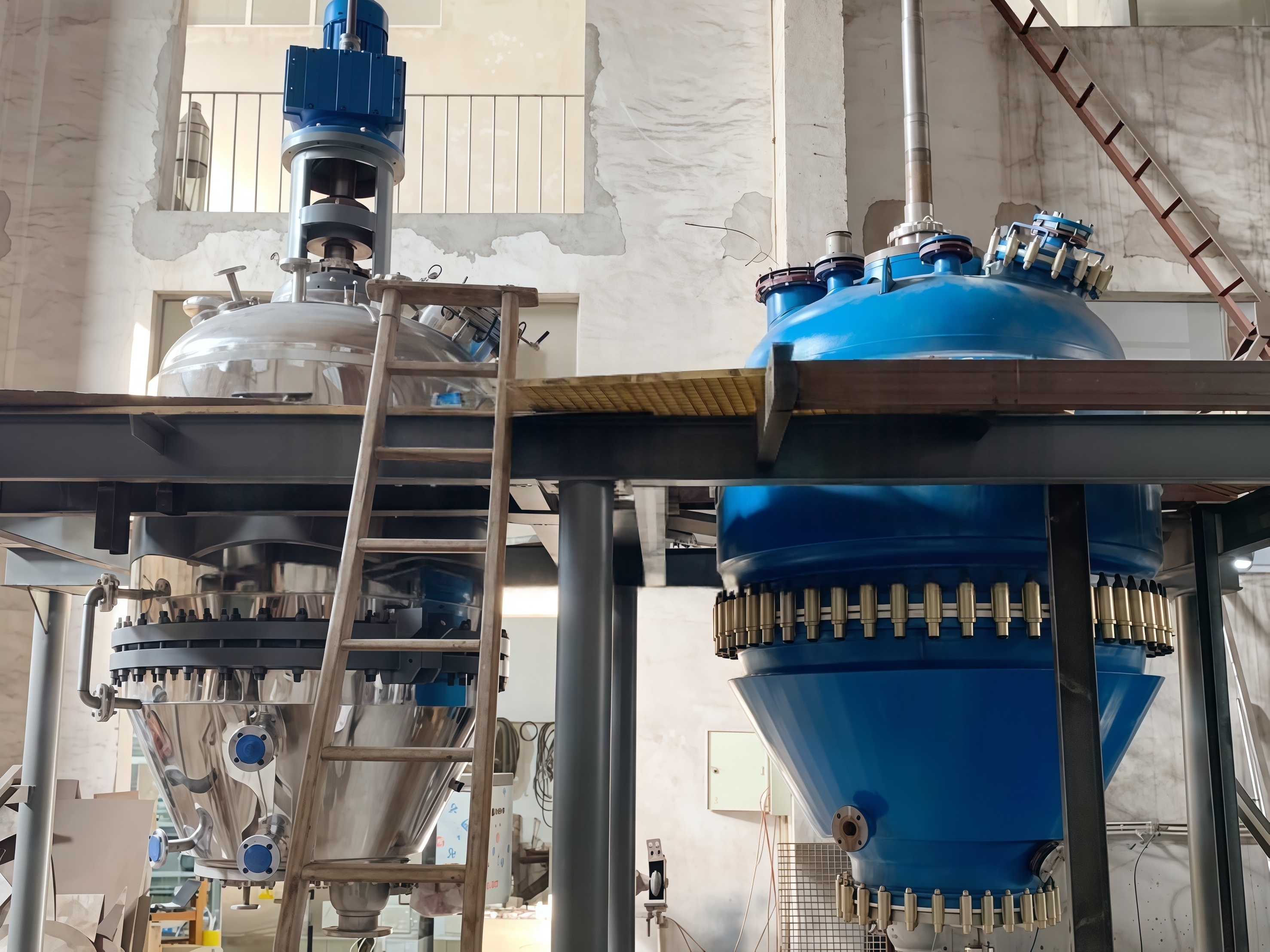
Wuxi Shuangrui is committed to advancing technological innovation in closed-loop circulation dryers and multi-functional filter-wash-dryers, and cherishes the full trust granted by customers. Intellectual property rights (IPR) are the common lifeline of Shuangrui Machinery and its customers. At Wuxi Shuangrui, we adhere to the fundamental principle of integrity and dedication, maintain zero tolerance for infringement, and severely crack down on any criminal acts of IPR infringement. This is Wuxi Shuangrui's paramount responsibility, obligation, and commitment. We must sincerely repay customers' trust and completely eliminate any form of infringement.


 备案号:备案号:苏ICP123456789


