Welcome to the official website of Wuxi Shuangrui Machinery Co., Ltd!
Tel:0510-83451680
Antioxidants can delay or prevent the oxidation or auto-oxidation process of synthetic materials, thereby extending the service life of the materials. Their application almost covers all polymer products. Antioxidant 1010 is currently a leading product of superior antioxidants, with its consumption accounting for about 40% of the total antioxidant consumption. Due to its high molecular weight, good compatibility with plastic materials, and excellent antioxidant effect, it has become one of the products with larger consumption among plastic antioxidants.
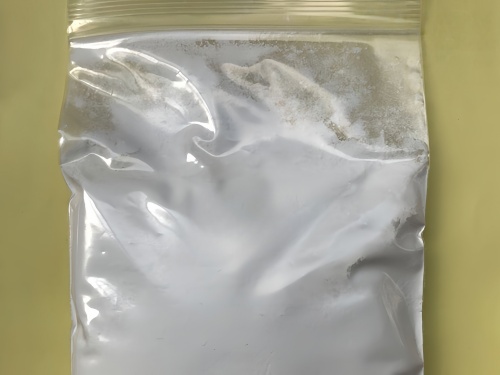
The synthesis methods of the currently reported antioxidant 1010 can be divided into one-step and two-step methods. The two-step method involves first conducting a Michael addition reaction between 2, 6-di-tert-butylphenol and jia acrylate to form the intermediate β -methyl propionate. Then, the intermediate β -methyl propionate undergoes an transesterification reaction with pentaerythritol. The addition reaction and the transesterification reaction are carried out separately. The advantage of this method is that it can produce high-purity intermediate β -methyl propionate and finished products. But the existing drawback is: During the transesterification reaction process, a relatively high vacuum degree is required to promptly separate the decane cooled to 10℃ as a by-product. The system is in a strictly sealed state. Once the vacuum degree is insufficient or oxygen enters, it will seriously affect the yield and color of the product. Moreover, there is no solvent in the reaction system, and the viscosity of the transesterification reaction system is relatively high, making it difficult to form a homogeneous system. Higher temperatures and powerful mechanical stirring must be adopted, which increases energy consumption in production. Moreover, due to the high reaction temperature, side reactions increase, resulting in low purity of the crude product and also raising production costs.
In order to improve the quality of antioxidant 1010, Shuangrui Machinery has carried out extensive technical scheme design and research, successfully optimizing the technical solution of a fully sealed crystallization, filtration and drying three-in-one reactor dedicated to antioxidant purification. This has avoided the problem of product discoloration caused by incomplete nitrogen filling and oxidation of the product, meeting the urgent needs in industrial production.
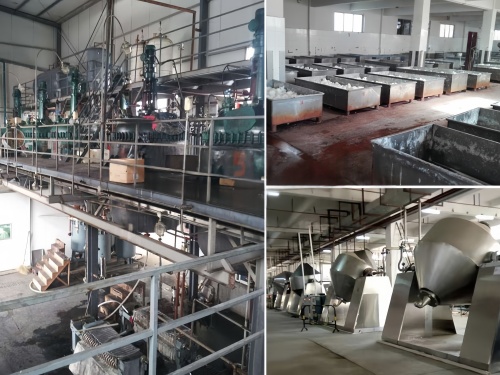
Advantages of the fully sealed crystallization, filtration and drying three-in-one reactor process for the purification of Antioxidant 1010
The new process uses a fully sealed crystallization, filtration and drying three-in-one reactor to produce antioxidant 1010, thus avoiding the problem of product discoloration caused by incomplete nitrogen filling and oxidation of the product. This ensures a thorough esterification reaction, improves product quality and yield, and reduces costs, making it highly competitive in the market.
(2) The production method of antioxidant 1010 in a fully sealed crystallization, filtration and drying three-in-one reactor is as follows: In a normal pressure reactor, methyl ester, pentaerythritol and catalyst are mixed in a certain proportion, and then react under vacuum conditions for 7 to 9 hours. After the reactants are crystallized, filtered and dried in the three-in-one reactor, the finished product is obtained.
(3) The methanol recovery rate is high. For instance, when tail oxygen is added to a cold well, it can reach over 90%, reducing environmental pollution (water and air), and simultaneously lowering the raw material cost for production.
(4) The whiteness and light transmittance of the product have been enhanced.
(5) The fully sealed three-in-one crystallization, filtration and drying reactor replaces conventional equipment such as crystallization tanks, centrifuges and washing tanks. Starting from simplifying the process, it integrates the three processes of filtration, washing and drying on one machine, reducing the number of process transfers.
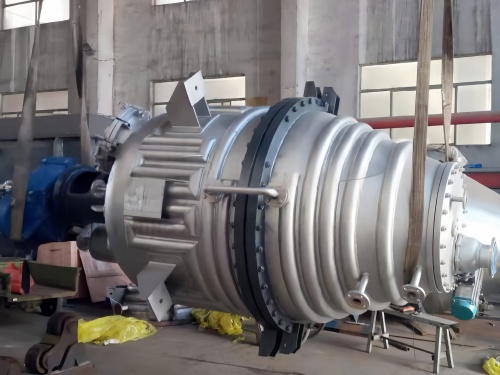
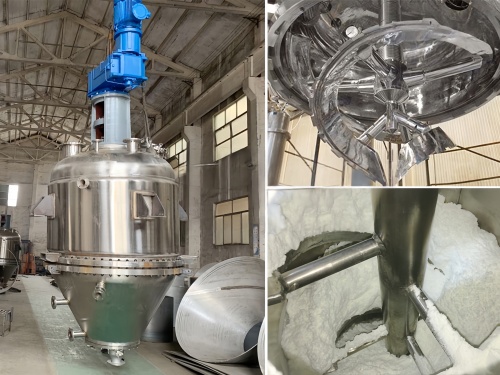

We provide design, research and development, production, and technical services for crystal filtration, washing, and drying equipment, and are committed to undertaking refining and purification projects for fine chemicals, pharmaceuticals and their intermediates, flammable, explosive, and highly toxic special chemicals.
Welcome to contact us!
Tel:13861731823

 备案号:备案号:苏ICP123456789


