Welcome to the official website of Wuxi Shuangrui Machinery Co., Ltd!
Tel:0510-83451680
Polyetheretherketone (PEEK) is a special engineering plastic with a very high heat resistance grade. It has the highest heat resistance among thermoplastics and also features excellent mechanical strength, electrical properties and radiation resistance. It can be processed into shape through extrusion, injection, compression and other processing methods, and the profiles can also be processed by mechanical processing methods. Polyetheretherketone has been widely applied in special industries, such as aerospace components, special mechanical parts, structural components, electronic components, nuclear power and other high-tech fields.
Due to the fact that polyetheretherketone directly produced contains a large amount of inorganic ions, when used for electronic and electrical purposes, the presence of inorganic ions will cause a decline in the electrical insulation performance of polyetheretherketone. Moreover, during the usage process, it will cause corrosion to semiconductor and conductor materials, thereby leading to leakage or deterioration of device performance, resulting in reduced stability or device failure. Therefore, when used for electronic and electrical purposes, the content of inorganic ions in polyetheretherketone must be reduced.
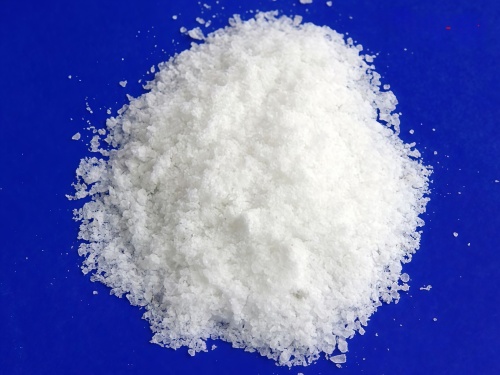
Analysis of the current refining process of polyetheretherketone (PEEK)
Acetone refining process
The crude PEEK resin in the silo (the silo is open and the crude material is odorless) is transferred to the acetone refining reactor through a pneumatic conveying system (with a Roots blower as the air source). A certain amount of 95% acetone is added. The refining reactor is indirectly heated to 56℃ by steam and subjected to constant temperature stirring. Acetone is used as the extractant to extract diphenylsulfone from the crude product. After stirring, let it stand for a period of time. The materials will automatically stratify. The upper layer is a diphenylsulfone acetone solution, and the lower layer is PEEK resin, sodium fluoride and a small amount of undissolved diphenylsulfone. The upper layer solution (containing diphenylsulfone and acetone) is pressed into the acetone distillation pot through a filter screen with nitrogen (at normal pressure and temperature of 56℃), and acetone is added to the acetone refining pot again for extraction (to dissolve the undissolved diphenylsulfone). This process is repeated about 8 times to obtain qualified salt-containing PEEK resin. The steam from the acetone distillation kettle is condensed by the first and second condensers (with a chilled water depth and a condensation efficiency of 90%), and the liquid acetone is then recycled to the acetone intermediate tank for reuse in the refining kettle. The first 7 times of the acetone refining process use recycled acetone, and the last time uses fresh acetone.
(2) Water refining process
The salt-containing PEEK resin is transferred to the water refining reactor. A certain amount of deionized water is added to the reactor, heated to 90℃, and stirred at a constant temperature for 1 hour to dissolve sodium fluoride. It is then left to stand for a period of time. Then, open the valve of the high-salt water storage tank and introduce nitrogen to pressurize the sodium fluoride filtrate from the water refining reactor into the high-salt water storage tank. Repeat this process twice to remove most of the sodium salt. Then, close the valve of the high-salt water storage tank and pump the high-salt waste water in the tank into the three-effect evaporator for atmospheric pressure evaporation to remove salt. The three-effect evaporator uses steam as the heat source.
Add a small amount of phosphoric acid solution to the water refining reactor for flushing (phosphoric acid is mainly used to adjust pH). After the stirring and flushing are completed, open the valve of the phosphoric acid intermediate tank, and use nitrogen to filter the dilute phosphoric acid solution in the water refining reactor into the phosphoric acid intermediate tank for recycling. Then, deionized water is added to the water washing kettle again for further refinement (with a small amount of sodium fluoride). This process is repeated about six times until the conductivity of the water solution reaches 10us/cm. The filtrate from this part of the water washing is discharged into the refined water reuse storage tank. The deionized water in the reclaimed water storage tank can be reused as the refined water for the next batch of the previous process. The wet PEEK resin after sodium fluoride removal is transferred to the next process.
(3) Centrifugation process
The wet PEEK resin after water refinement is transferred to a centrifuge for closed centrifugation to obtain PEEK resin, which is then dried.
(4) Drying process
The wet PEEK resin after centrifugation is transferred into a double-cone rotary vacuum dryer through vacuum suction for vacuum drying (at around 140℃).
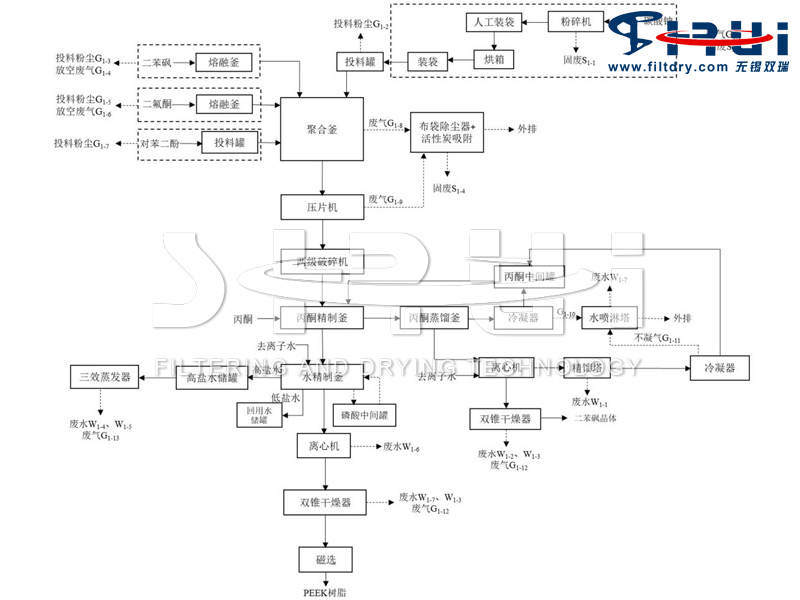
In the existing polyetheretherketone (PEEK) refining process, there are often multiple solvent washing, multiple filtration, multiple hot water washing, and drying unit operations. These unit operations are usually operated independently by unit equipment such as refining tanks, water washing tanks, filter presses or centrifugal filters, washing tanks, and dryers. Multiple unit equipment are connected to form a large long-process device. Materials are conveyed between equipment rooms through pipelines or other means. Each unit operation corresponds to the corresponding unit equipment. The equipment is highly dispersed, and leakage at the connection points of the equipment causes material and environmental pollution.
In order to overcome the shortcomings of the existing purification technology of polyetheretherketone, Wuxi Shuangrui has developed a new type of conical three-in-one multi-functional equipment for filtration, washing and drying (Patent No. (ZL 201721560677.6, ZL 202022908020.2) can meet the purification process requirements of fully automatic polyetheretherketone (PEEK). This method not only can obtain polyetheretherketone with low inorganic ion content, but also can effectively recover and reuse the purification treatment agent Compared with the currently adopted methods, it has the characteristics of time-saving, energy-saving, and high-quality purified polyetheretherketone resin, and also has the advantages of simple process and easy operation.
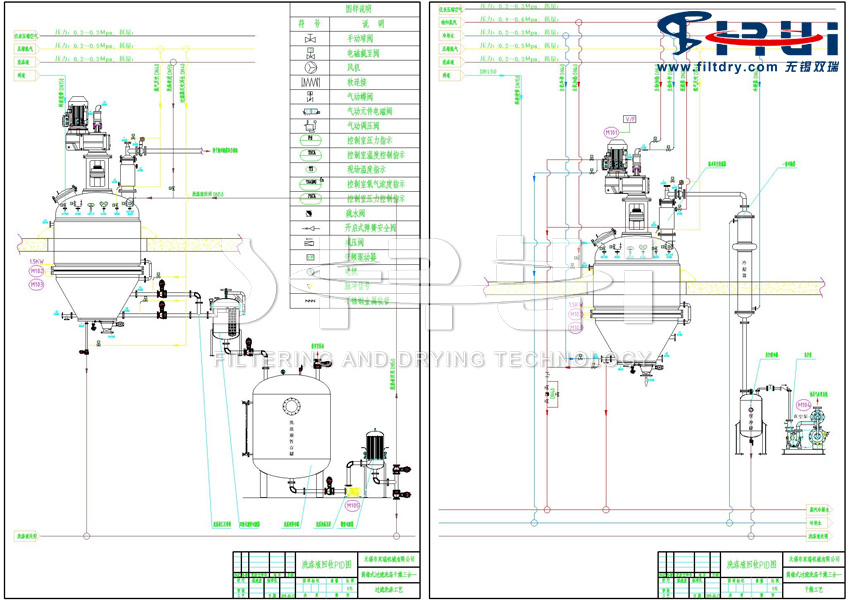
Technical features of the polyetheretherketone (PEEK) resin purification and washing kettle
(1) The production system process is fully enclosed
Due to the innovative application of the fully enclosed material conveying system, a fully enclosed production process from crystallization to the end of packaging can be fully realized. The conical filtration, washing and drying three-in-one system operates in a fully enclosed manner, and the production process is more in line with GMP requirements and standards.
(2) Safety and environmental protection
Due to the fully enclosed operation of the conical three-in-one, it can completely avoid the pollution of the operating environment air by solvents during the production process, and at the same time reduce the occurrence of poisoning accidents of operators caused by contact with toxic substances. Today, with the growing calls for environmental protection and labor protection, this advantage becomes even more important.
(3) High-speed washing: As this equipment can re-stir and re-suspend the filter cake during the washing operation, the filter cake can be thoroughly washed.
(4) Operate under pressure or vacuum conditions to achieve solid-liquid separation. During filtration, the filter cake is evenly distributed and the solid-liquid separation effect is good.
(5) The material is heated in the container by closely adhering to the inner wall of the container and rotating upward from the inner heating ribbon to the upper part of the container, and then moving downward in a vortex along the main shaft. The material is constantly in a dispersed motion throughout the entire drying process, ensuring balanced heating.
(6) Clean production. The conical filtration, washing and drying three-in-one system can operate in a closed manner and is equipped with a dust collector to completely collect the dust generated after drying, which can meet the production operation requirements of high cleanliness.
(7) The product yield is high and the solvent recovery is complete. Because the entire production system operates in a fully enclosed manner, materials and solvents can be 100% completely recycled, avoiding waste caused by material omission, residue and solvent evaporation. This brings significant economic benefits, especially when handling materials and using solvents of high value.
(8) It has a high degree of automation and is easy to master. Each process is carried out in stages, with complete safety measures. Operators can complete the operation after simple training, and the work intensity is greatly reduced.
(9) For materials with strong corrosiveness, the interior of the equipment can be lined with corrosion-resistant materials. The stirring shaft, mechanical seal and discharge ball valve components are made of special alloys with excellent corrosion resistance.
(10) Before filtration, stirring, mixing and pulping can be carried out in the machine body. After filtration, various process operations such as cleaning, regeneration and drying can be performed in the machine body. It features simplified process flow, enhanced production efficiency, prevention of material contamination, convenient material replacement, and integration of mechanics and electronics. At the same time, it significantly reduces the factory area for the entire production process, lowering the basic investment cost for customers.
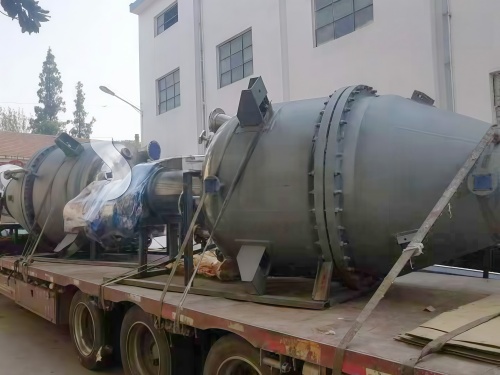
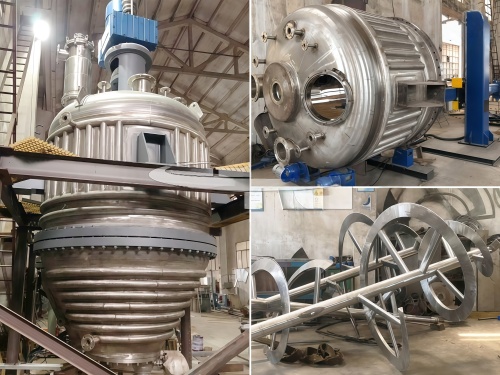
Photos of the polyetheretherketone PEEK resin purification and washing kettle equipment
Wuxi Sunray is committed to promoting technological innovation in crystallization, filtration, washing and drying equipment, and values the full trust given by customers. Intellectual property rights are the common lifeline of Shuangrui Machinery and its customers. At Wuxi Sunray, we adhere to the foundation of our business as honesty and dedication, and maintain a zero-tolerance policy towards infringement. We resolutely crack down on any criminal acts that infringe upon intellectual property rights. This is the supreme responsibility, obligation and commitment of Wuxi Sunray. We must sincerely repay our customers' trust and completely eliminate any infringement.

We provide design, research and development, production, and technical services for crystal filtration, washing, and drying equipment, and are committed to undertaking refining and purification projects for fine chemicals, pharmaceuticals and their intermediates, flammable, explosive, and highly toxic special chemicals.
Welcome to contact us!
Tel:13861731823

 备案号:备案号:苏ICP123456789


